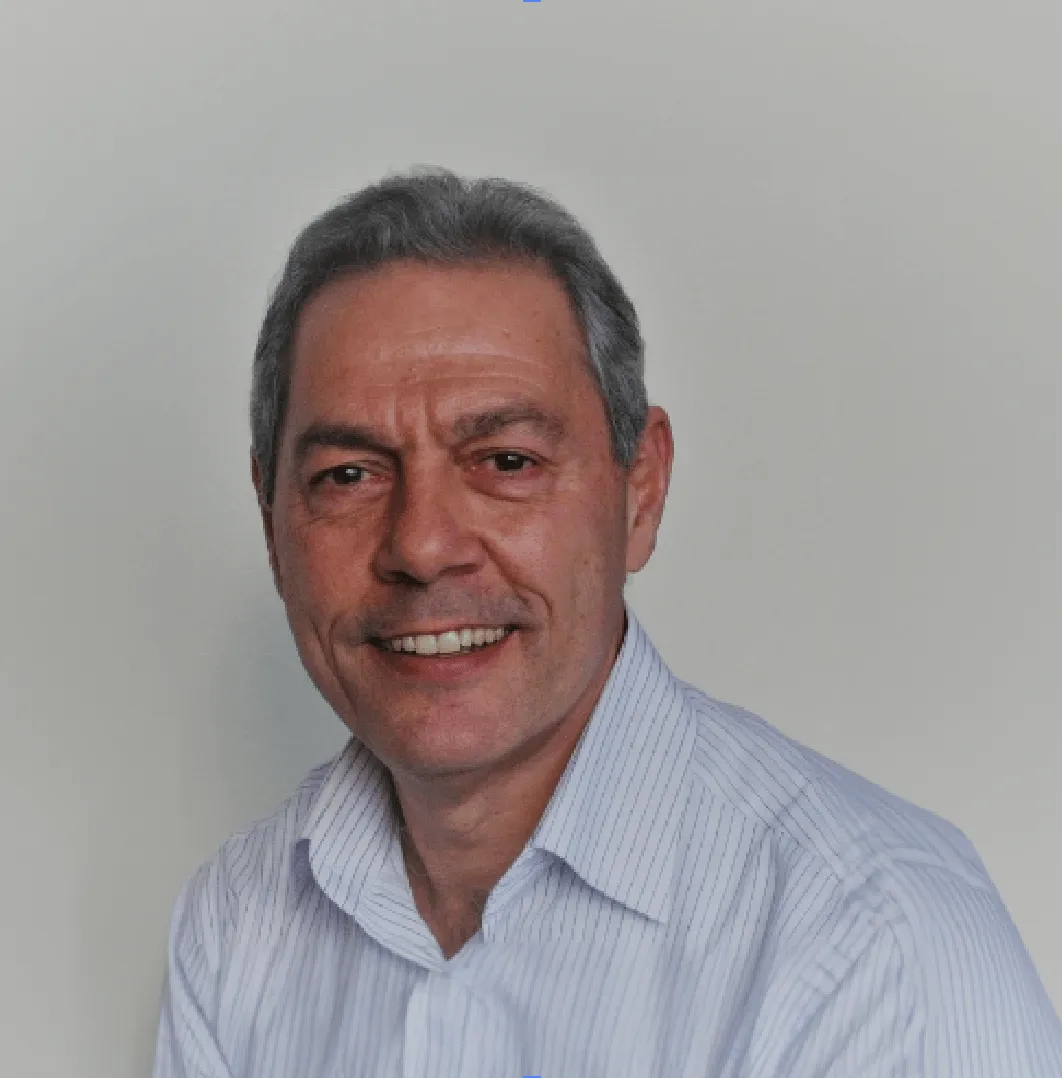
Fifty years ago, as a newly graduated doctor from UNSW, I stood at a professional crossroads. I had offers of registrar posts in major hospitals and opportunities in busy general practices, yet neither path felt right. I was ill-prepared for independent general practice, nor could I imagine, for myself, a fulfilling career in hospital medicine. Rather than force a decision, I chose to give myself the space to search for a form of practice aligned with my curiosity.
That choice shaped the next half-century of my professional life.
Curiosity, Skepticism, and First-Hand Experience
Conversations with friends and flat mates introduced me to their experiences with acupuncturists, herbalists, and osteopaths. These accounts raised clinically relevant questions: How did these practitioners conceptualise illness? How did they diagnose problems and achieve results without conventional medical training?
What began as skeptical inquiry evolved into a sustained professional exploration into what nonconventional medicine can contribute to patient care and significantly broadened my perspectives and effectiveness as a GP.
Learning as a patient
My exploration began from the patient’s side of the consulting room. I consulted a range of practitioners and experimented with dietary modification. A brief attempt at vegetarianism left me lean and fatigued, reinforcing an enduring lesson: individual variability matters, and pragmatism is essential.
More instructive than any specific modality was the style of care. These practitioners consistently devoted time, explored lifestyle, and conveyed enthusiasm—qualities that contrasted sharply with the time pressures of conventional practice.
From curiosity to co-operation
As my exposure broadened, I wanted to learn more and started studying again: this time it was nutrition, herbal medicine, massage, acupuncture and more. I became overwhelmed by the numerous explanatory models, each internally coherent, yet often contradictory. Attempting to master every system was neither feasible nor necessary. Instead, I chose to work alongside non-medical practitioners, observing their scope of practice, clinical methods and patient outcomes.
This approach culminated in the establishment of the Wholistic Medical Centre, which grew to include fifteen practitioners-six medical doctors working alongside naturopaths, acupuncturists, osteopaths, massage therapists, and hypnotherapists. In the late 1970s and 1980s, this multidisciplinary model was unusual and attracted both professional and media interest. Many of the principles we pioneered are now comfortably situated within what is termed ‘integrative medicine’.
The Wholistic Medical Centre operated from 1977 and has treated more than 35,000 patients. From my experience the best results arise from the interaction of three fundamental elements that are always present in all health care interactions: The patient, the practitioner and the modality.
When alignment between these elements is favourable, outcomes tend to be very positive. When alignment is poor, outcomes become variable and occasionally adverse. This helps explain why no intervention is universally effective, yet many interventions benefit some patients some of the time. Let’s examine each element more closely:
The patient
Patients bring far more than pathology. Genetics, upbringing, culture, lifestyle, education, socioeconomic context, psychological factors, and health beliefs all shape both presentation and outcome. Behind every symptom is a person in whom physical, emotional, cognitive, social, and existential dimensions interact in complex and non-linear ways.
Eliciting a patient’s own explanatory model of illness often yields valuable insights. Supporting informed patient preferences—where no contraindications exist—and reviewing outcomes systematically can strengthen engagement, shared decision-making, and clinical results.
The practitioner
Practitioners contribute their values, experiences, cognitive frameworks, and emotional capacities, in addition to technical skill. The quality of the therapeutic relationship significantly influences adherence, placebo effects and overall outcomes.
Clinicians can only offer interventions that fall within their conceptual and practical repertoire. Broadening that repertoire improves the likelihood of identifying acceptable and effective options for individual patients.
The modality
A modality encompasses diagnostic tools, explanatory models, therapeutic interventions, and follow-up. Mainstream medicine excels in the management of acute, well-defined organic pathology and seems to prioritise modality as its cornerstone. A clear example is someone with a severe injury arriving by ambulance. The practitioner’s experience and modality used is paramount and can be life saving. Patient factors and practitioner interactions are secondary, at least at first.
Functional disorders and chronic conditions, however, often respond incompletely to the same approach. The patient/practitioner relationship becomes more central and if treatments are unsatisfactory, patients understandably seek complementary approaches. Nonconventional therapies offer a broader spectrum of care, offering less invasive options for many conditions. Establishing a clear diagnosis remains essential to avoid missing or delaying a diagnosis.
From a pragmatic clinical perspective, safety, tolerability, cost, time to benefit, durability of effect, and predictability of response are often more relevant than debates about how some remedy works.
In summary; an open, scientific, pragmatic, wholistic perspective using a broad range of modalities within a good therapeutic relationship improves the likelihood of results.