
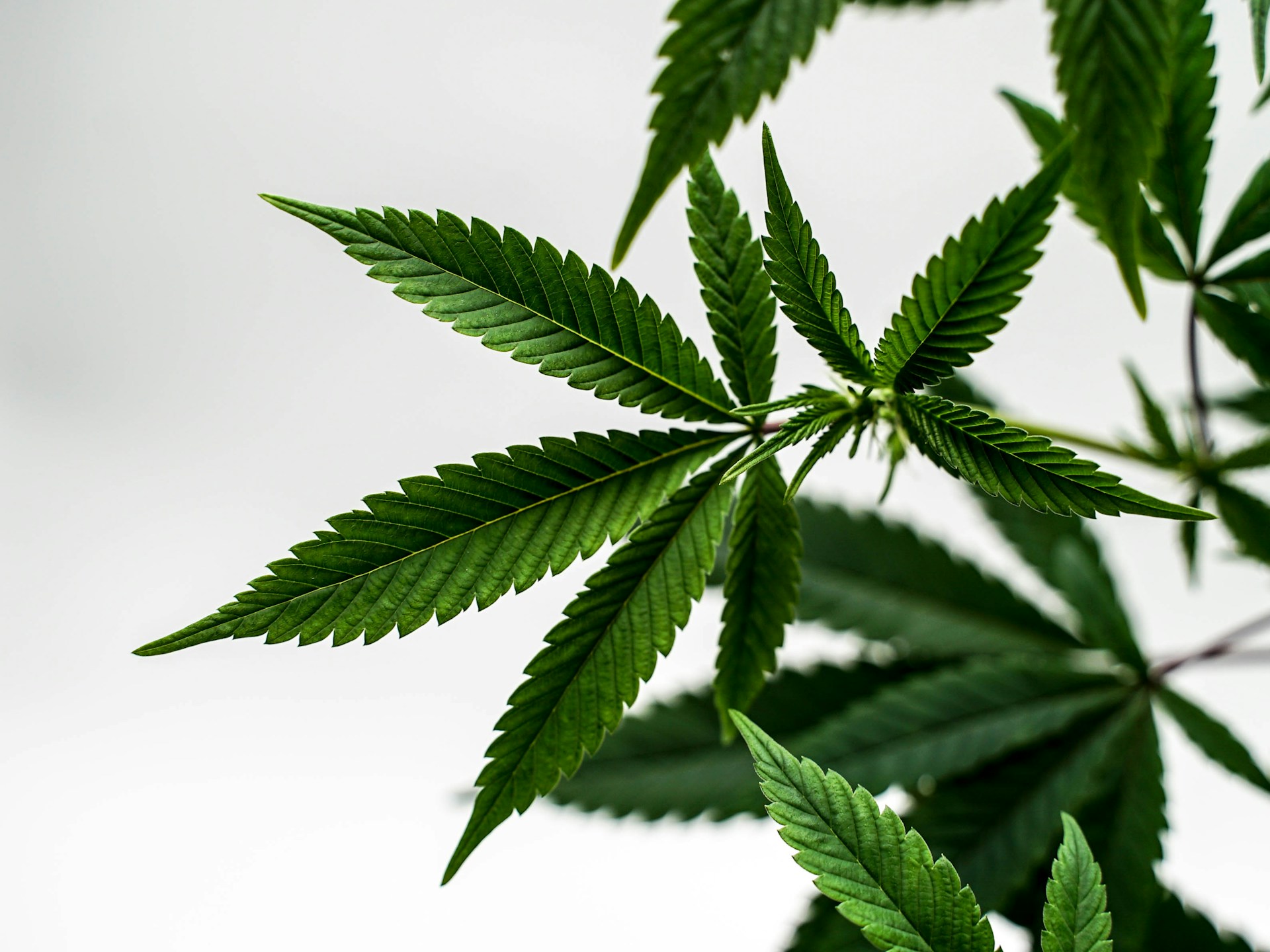
Very, very brief history of cannabis
Cannabis, a herbal medicine in use throughout the world for over 5000 years. In 1992 research discovered that our body and the bodies of all other vertebrates produce its own cannabis-like molecules.
They are made in nerve endings, muscle, fatty tissue and immune cells. It was also discovered that our body has widespread cannabis receptors called CB1& CB2 covering most organs in the body.
This became known as the Endocannabinoid System (ECS). Continued research into the medical use of Cannabis around the world over the past 20 years has confirmed many encouraging health benefits and a high level of safety. Many health issues are being considered as a dysregulation of the ECS, was declared a prohibited substance in the USA in 1937 for political and economic reasons.
In 2016 Australia legalised the prescribing of Cannabis.
Therapeutic Goods Administration (TGA) Aust.
The TGA has developed a 5-category system based on the ratio of CBD to THC. There are now over 160 brands & suppliers of over 1300 products available in Australia alone, Main methods of administration are: oral oil, dried flowers, vape cartridges and edibles.
TGA-approved indications for cannabis use
(The list is abbreviated from a total of 31 conditions)
- Sleep disorders
- Chronic pain: Arthritis and neuropathic pain
- Anxiety/depression disorders
- ADHD
- PTSD & CPTSD
- Irritable/Inflammatory bowel disease
- Spasticity associated with MS & other disorders
- Parkinson’s disease
- Chemotherapy-induced nausea and vomiting
- Chronic pain: Cancer-related pain
- Palliative care
- See full list here
How does cannabis work?
External cannabis activates the cannabis receptors of our Endocannabinoid System.
THC activates CB1 receptors in the Central Nervous System and CB2 receptors in the body, together they regulate neuronal transmission as well as other key neuro-physiological processes that influence pain perception, inflammation, mood, memory, muscle tone, immune function and appetite. THC acts within
minutes to hours depending on the method of administration.
CBD bids very weakly to CB1 and CB2 receptors and exerts its therapeutic effects on multiple metabolic pathways and inflammatory processes in body cells. It also dampens the psychoactive effects of THC.
THC itself has two main strains. Sativa has a stimulant and Indica a more sedative effect. The full plant extract has other ingredients (terpenes & flavonoids) which also influence the overall effects
Prescribing cannabis
Prescribing cannabis is not as straight forward as prescribing common pharmaceutical medications.
The complexity of conditions, the overwhelming number of products, the multiple methods of administration and the forty-fold range of dosages between patients with similar conditions. makes prescribing cannabis products its own specialty.
Dr Nicholas Bassal has prescribed Cannabis since 2020 and is a TGA Authorized Prescriber. He has written over 4,000 scripts for cannabis and has seen great benefits in over 90% of patients with only a few experiencing no benefit, or for whom Cannabis was not suitable.
Dr Bassal takes a wholistic view where cannabis is considered as one aspect of overall health and wellbeing.
A prescription for Cannabis can be for a CBD or a THC predominant formula or for various combinations of the two. Medical Cannabis is commonly taken orally as an oil placed under the tongue where it is absorbed directly into the blood stream. It can also be administered via a vaping device used for dried flowers or liquid extracts. There are also a small number of edible pastilles.
Everyone is unique in how they respond to Cannabis. This is not a simple one-size-fits-all medication. The variables can include the ratio of CBD to THC, the dose, time it is taken and method of administration.
Cannabis oil taken orally, can take 1-2 hours to take effect and last some 7-8 hours. Vaped Cannabis can take 2-15 minutes to take effect and last some 2-4 hrs. Although it is possible to feel a benefit from THC within minutes or hours, the different benefits of CBD may take about 6 -8 weeks.
Dose of cannabis
The best approach is to start at a low dose of a low strength and gradually increase it until you reach your ‘sweet spot’. Defined as the dose that gives you maximum benefit with minimal side effects. Frequent monitoring of your response is required through follow-up consultations. The type of formula, the dose and/or the timing may need to be adjusted.
Once your sweet spot is reached. Your dose usually remains within a narrow range and does not increase.
You may also benefit from more than one formula. For e.g., you may benefit from a daytime formula for pain and a nighttime formula for sleep. For certain conditions, a combination of oil for a longer lasting benefit and a vaping product for a quicker effect is needed. Finding the right dose is a matter for each patient to arrive at in consultation with Dr Bassal
Note:
Medical Cannabis is not a cure for disease but a treatment for symptoms and a regulator of normal function of the ECS. Other forms of health care may be necessary and can work in conjunction with cannabis.
Side effects of cannabis
Most reported side effects are from the THC component, a common one is having a dry mouth. If the THC dose is too high for you, then feeling ‘light-headed’ or ‘groggy’ might result. It will subside by itself in a few hours and the next dose will need to be reduced. Rarely, a stimulant effect can be experienced as anxiety. This effect will settle by itself especially when you remain calm, listen to some music or go for a walk. If this occurs, stop taking it and discuss with Dr Bassal.
Is it addictive?
Cannabis is not chemically addictive and has no withdrawal effects, in contrast to caffeine, alcohol, nicotine or many pharmaceuticals. You can just stop cannabis at any time. However, when used in excess for many years people can become dependent.
Cannabis and driving
Generally, the doses we are using will not impair your capacity to drive or show up on a roadside saliva test. State parliaments are reviewing the dilemma of one law allowing the prescribing and taking of Medical Cannabis while another law doesn’t allow driving with any detectable cannabis in your body, even when your driving is not impaired! This law has already been changed in Tasmania, Victoria and NZ. Parliament in NSW is currently considering changing the conflicting laws for medically prescribed cannabis.
Your cannabis script
Your script will be sent to your phone as an Escript. Which will be found in your text message (eRx). By clicking the link, you will see a QR code. The chemist will scan that code. The link can also be emailed to your chemist.